For veterans
You have already been asked to be tough for one lifetime
Asking for help is not the opposite of service. It is the same skill you were taught: keep your people alive, and know when to call for support. Here is where to call, and what to bring.
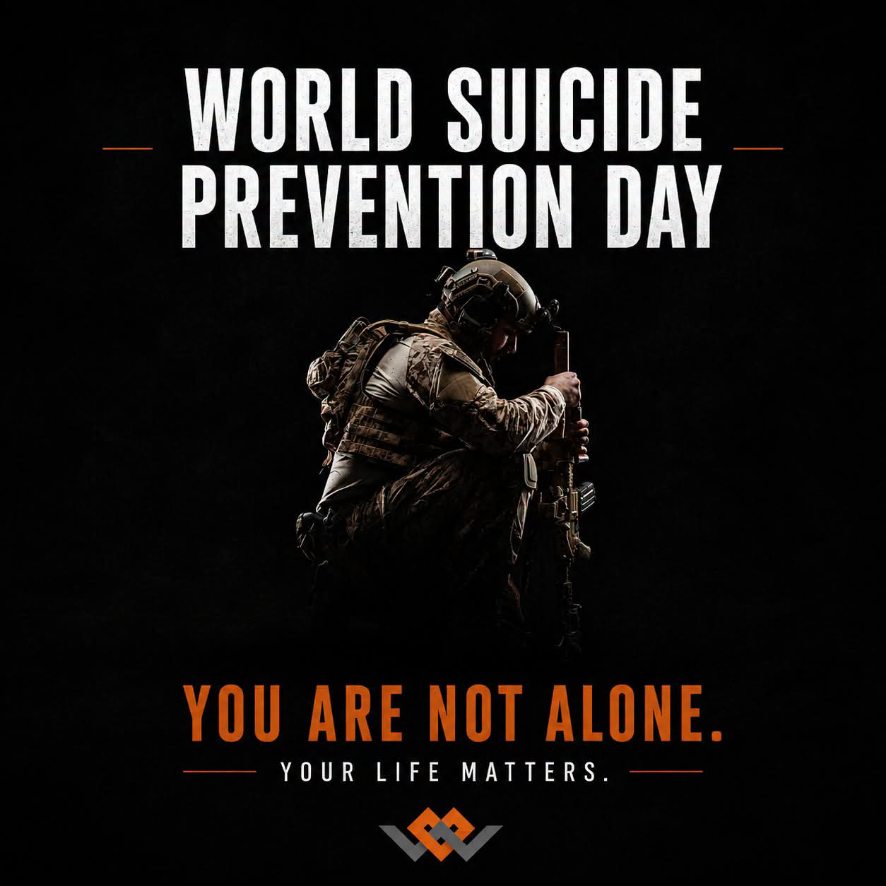
You are not alone
Your life matters. Call now, not later.
Free, confidential, and answered around the clock by people trained for this — many of them veterans. You do not have to be enrolled in VA care, and you do not have to be sure it is a crisis to call.
If you are in immediate danger, call 911. If there is a firearm in the house during a bad stretch, ask someone to hold it for a while.
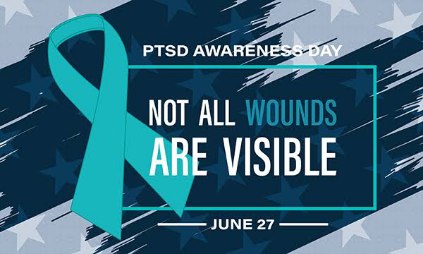
PTSD awareness
Not all wounds are visible
A veteran can look fine, hold a job, keep a house, and still be carrying something that does not show. PTSD is not weakness and it is not a character flaw. It is an injury, and it is treatable.
It turns up in ways that are easy to explain away: sleep that will not come, a short fuse over nothing, avoiding the places where people gather, drinking to get to morning, a body that stays on guard long after the danger ended.
If any of that sounds like your week, it is worth saying out loud to someone — a doctor, a peer specialist at a Vet Center, a person at the other end of the crisis line. Nothing you say there has to be tidy, and nothing has to be spelled correctly.
Veterans Project publishes general education. Nothing here is medical advice, a diagnosis, or a recommendation to start or stop any treatment, and nothing here replaces your own doctor, who knows your history and can examine you.
Getting into VA care
You may be eligible for VA health care even if you never claimed anything, even if you served decades ago, and even if you do not think you qualify by income. The rules are broad, and the worst outcome of applying is a no.
Apply online at VA.gov, or call 1-800-827-1000 and ask. You can also walk into most VA medical centers and ask for the eligibility office — bring your DD-214 if you have it, and ask what to do about the discharge paperwork if you do not.
If you were denied before, you can apply again. Rules change, and so do circumstances. Veterans service officers at DAV, the American Legion, and the VFW will help you file for free, and they do this every day.
What to bring to an appointment
- Every medication bottle, including supplements — and anything you use that a doctor did not prescribe.
- Your DD-214 if you have it, and any disability rating paperwork.
- A written list of what has changed since the last visit.
- Two or three questions you most want answered, with the hardest one first.
- A person with you, if you can. Two sets of ears catch more.

Peer support, and why it works
Vet Centers are separate from VA hospitals. They are run by the VA, they are free, and they focus on readjustment counseling — including for family members. You do not need a referral and you do not need to be enrolled in VA health care. Many are open evenings and weekends.
Peer specialists are veterans who have been where you are, and they are staff at the VA now. For a lot of people, talking to someone who does not need the acronyms explained is the difference between staying in treatment and walking out.
If you have never told anyone the worst of it: you do not have to start there. You can start with the sleep, the pain, or the fact that you are snapping at your wife. Any door in is the right door.

What the number means
A day is 22 too many
Twenty-two is the daily count that has been used for years for veterans lost to suicide. It has been revised more than once, and it has never once been just a number to the families behind it.
We keep it where we can see it, because most of the saving happens quietly and long before a crisis: a question asked at an appointment, a dose questioned, a call made on a bad night.
When the day is bad
The Veterans Crisis Line is 988, then press 1. You can also text 838255, or chat online. It is staffed around the clock by people trained for this, many of them veterans themselves. It is confidential, and it does not require that you be enrolled in anything.
You do not have to be sure you are in crisis to call. “I am not doing well and I do not know what to do” is a complete sentence, and it is a good enough reason.
If you are in immediate danger, call 911. If you have a firearm in the house and you are having a hard night, ask someone to hold it for a while. That is not surrender. It is the same instinct that kept you and your people alive.
Start here
Talk to a person
Not an emergency, but not nothing either. We will read it and answer.
Call (352) 709-3004Send a message