 Medicinal cannabis
: what a veteran should understand
What it is, what it is not, what the research can and cannot tell us yet, and how to raise it with your own doctor without being brushed off.
7 min read
In crisis right now? Dial 988, then press 1
(352) 709-3004Education library
Short pages, written plainly, for someone who is tired. No doses, no promises, no products — just what the research shows, what the risks are, and what to ask.
This is general education, not medical advice. Nothing in this library is a diagnosis or a recommendation to start or stop any treatment. Take what is useful to your own doctor. If something here does not match what you have been told, ask about the difference rather than assuming either of you is wrong.
6 articles in the library
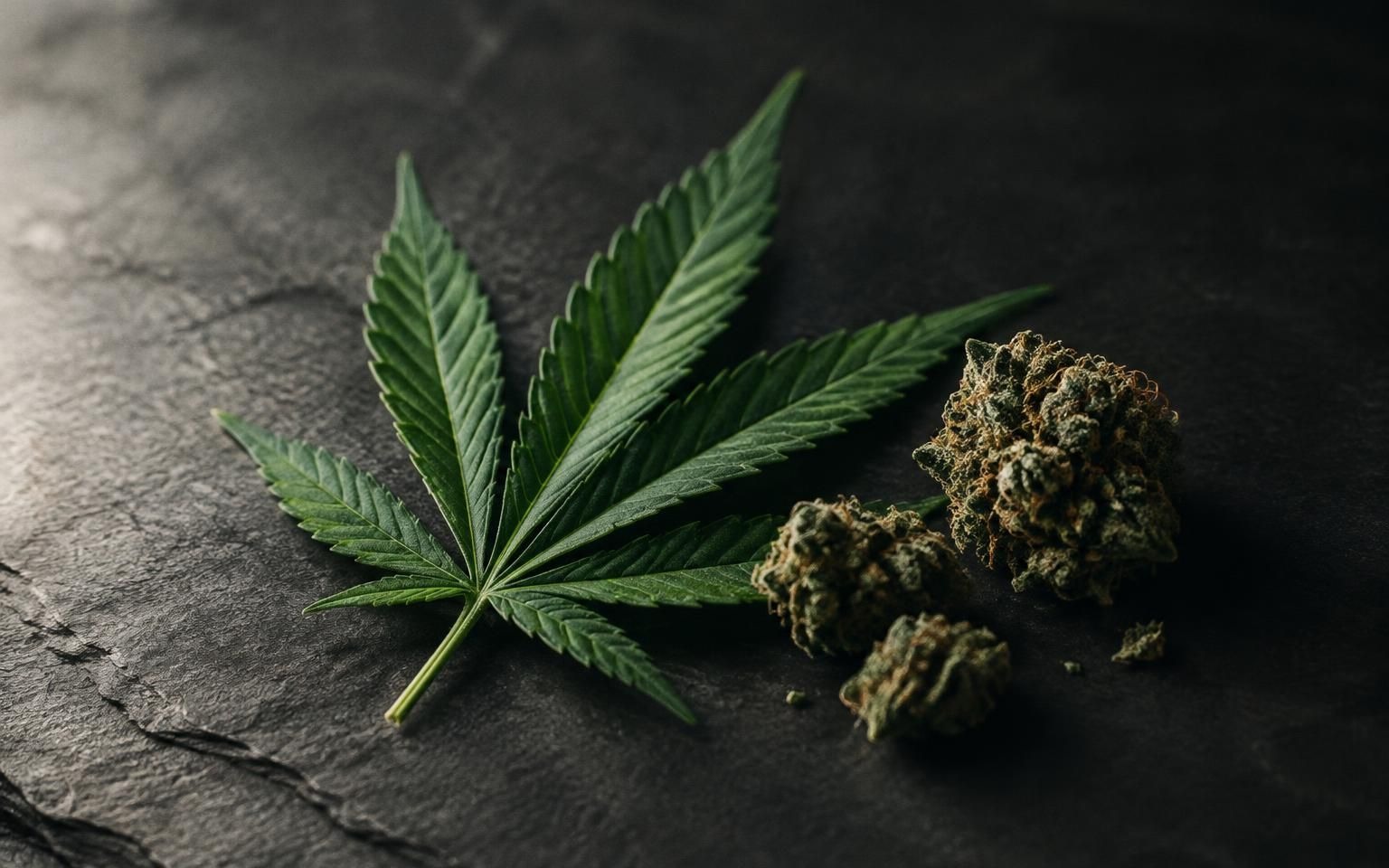
Medicinal cannabisWhat it is, what it is not, what the research can and cannot tell us yet, and how to raise it with your own doctor without being brushed off.
7 min read
 Pain and opioids
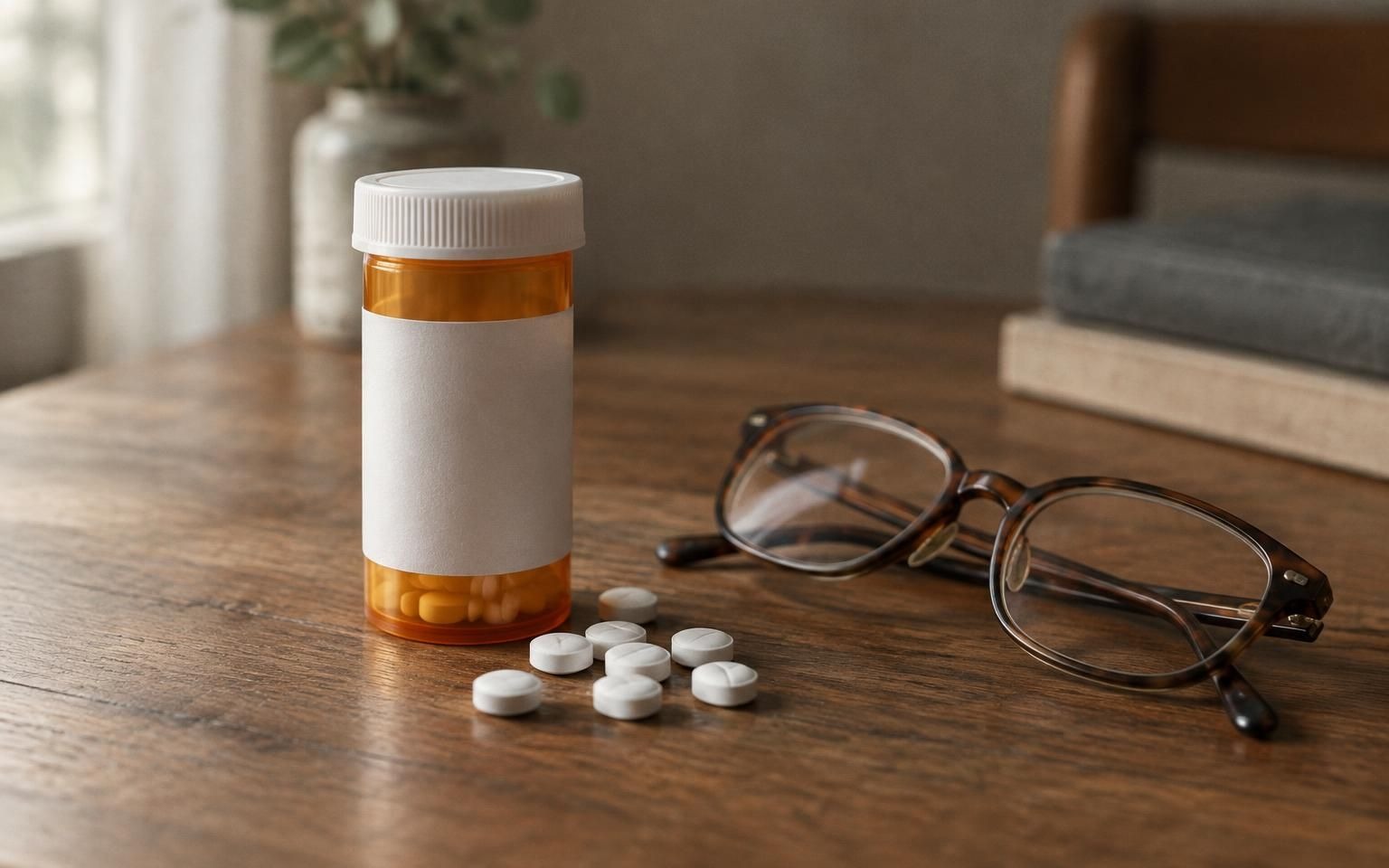
Why the same dose can stop working, what happens to the body over years of opioid use, and how to have the conversation about changing course.
8 min read
 Talking with your doctor
A short list of questions that change the shape of an appointment, and how to prepare so you are not talked over.
5 min read
 For families
How to open the conversation, what to put in writing, and how to let someone help without handing over the whole decision.
6 min read
 Living with PTSD
The same nervous system runs both, which is why treating one and ignoring the other rarely works.
7 min read
 For older adults
Why the same prescription behaves differently at 75 than it did at 45, and how to get a real medication review.
6 min read
Shared education graphic
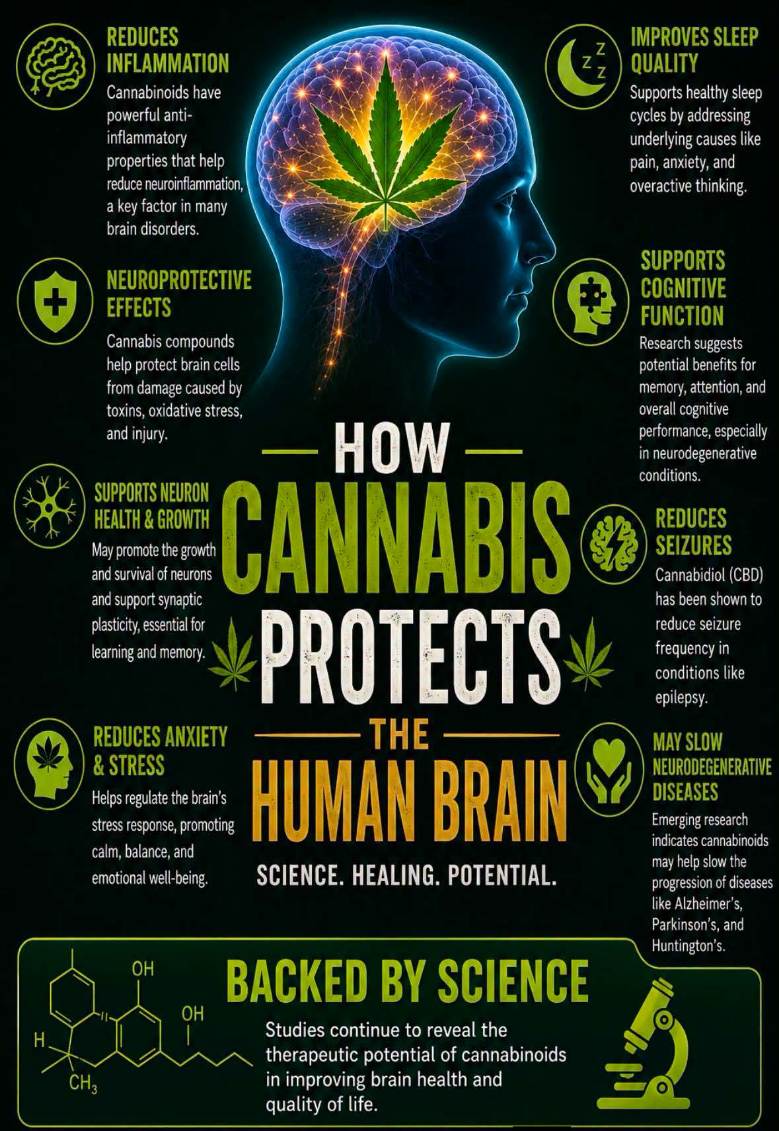
We share this graphic at outreaches. Because the print on it is too small to read on a phone, here is every point on it, written out — the way the graphic states them, in its own words.
01
Cannabinoids have powerful anti-inflammatory properties that help reduce neuroinflammation, a key factor in many brain disorders.
02
Cannabis compounds help protect brain cells from damage caused by toxins, oxidative stress, and injury.
03
May promote the growth and survival of neurons and support synaptic plasticity, essential for learning and memory.
04
Helps regulate the brain's stress response, promoting calm, balance, and emotional well-being.
05
Supports healthy sleep cycles by addressing underlying causes like pain, anxiety, and overactive thinking.
06
Research suggests potential benefits for memory, attention, and overall cognitive performance, especially in neurodegenerative conditions.
07
Cannabidiol (CBD) has been shown to reduce seizure frequency in conditions like epilepsy.
08
Emerging research indicates cannabinoids may help slow the progression of diseases like Alzheimer's, Parkinson's, and Huntington's.
Backed by science
Studies continue to reveal the therapeutic potential of cannabinoids in improving brain health and quality of life.
This is an education graphic the organization shares, not a claim that cannabis treats or prevents any condition. Research in this area is still developing, and the wording above is the graphic's own. Veterans Project publishes general education. Nothing here is medical advice, a diagnosis, or a recommendation to start or stop any treatment, and nothing here replaces your own doctor, who knows your history and can examine you.
PTSD and chronic pain
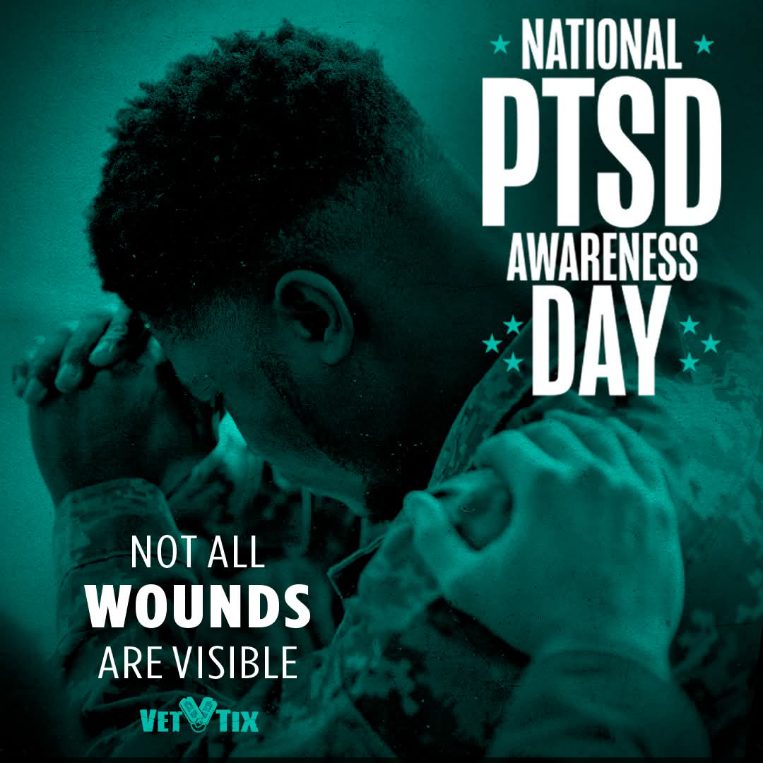
Pain keeps the body on alert and the sleep shallow. PTSD does the same thing from the other direction, and the two of them feed each other until it is hard to tell which one is running the day.
This is why a plan that treats only one of them tends to fail. If you are being treated for pain and nobody has asked about your sleep, your startle, or the places you no longer go — say something. If you are being treated for PTSD and the pain is not mentioned, say that too.
Both are treatable. Neither is a character problem, and neither is something you are expected to carry quietly.
More graphics we share
Both of these are materials we hand out, with the wording our organization uses. They are conversation starters, not instructions.
Patient safety
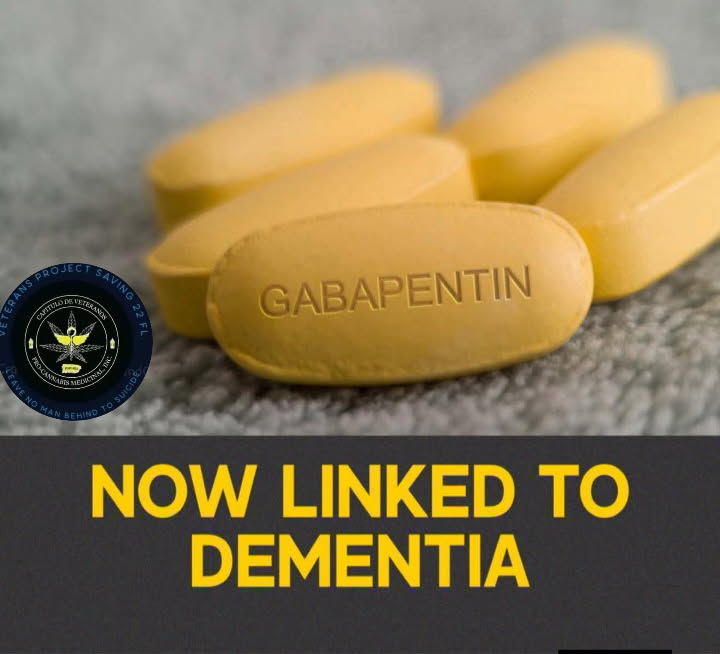
Gabapentin is prescribed widely, including for nerve pain and for sleep. Newer research has reported an association between long-term use and cognitive decline, and that is worth knowing if you have been on it for years.
Do not stop it on your own. Bring this to your doctor and ask whether it is still the right medicine for you, and what the plan for tapering would be.
An association reported in research is not the same as proof of cause. Ask your own doctor what it means for you.
A graphic we share
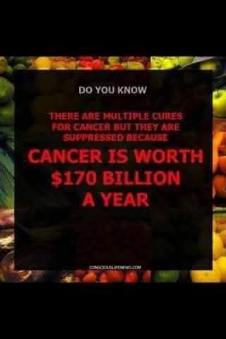
This is one of the pieces our advocates share, in the wording they use. It is a statement of a position about the cancer industry — not a treatment claim, and not a promise that any product cures anything.
If you or someone you love is facing cancer, the people who should be in that conversation are your own oncology team, and a second opinion is always allowed.
We publish this because the organization shares it, and we do not endorse it as medicine. Veterans Project publishes general education. Nothing here is medical advice, a diagnosis, or a recommendation to start or stop any treatment, and nothing here replaces your own doctor, who knows your history and can examine you.
Our own one-page flyer
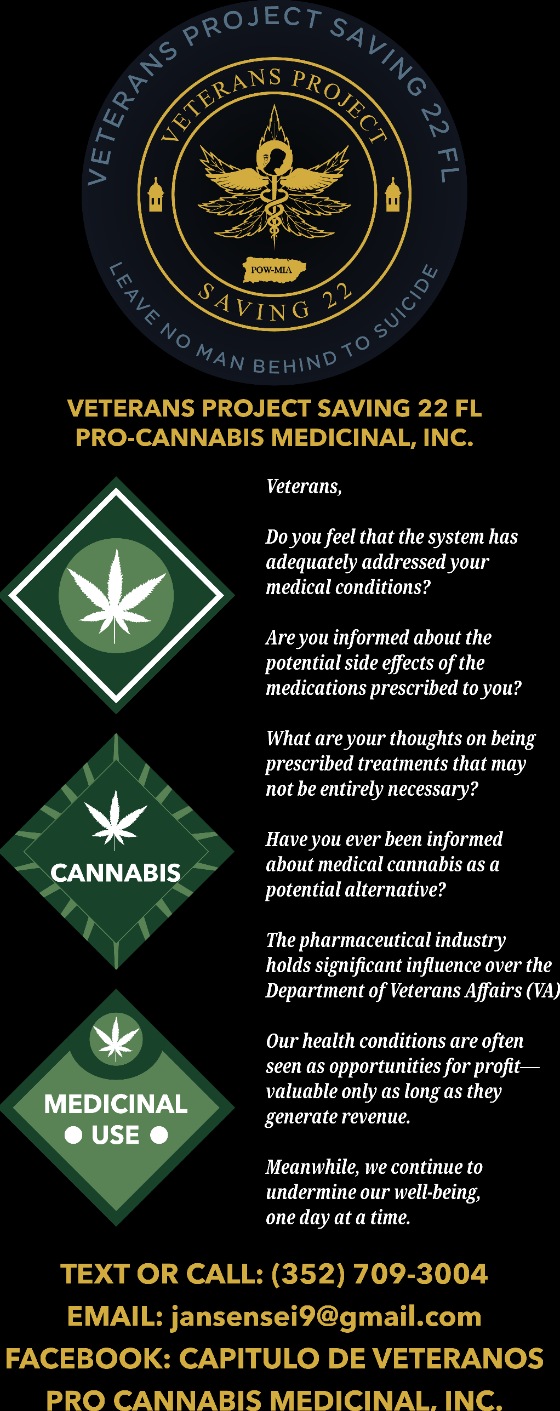
The flyer asks whether the system has adequately addressed your conditions, whether you were told about the side effects, and whether anyone ever mentioned medical cannabis as an alternative. Those are the same questions this library keeps coming back to.
It has our phone number on it, so anyone who picks it up knows where to call. Nothing is sold on it.
VA benefits
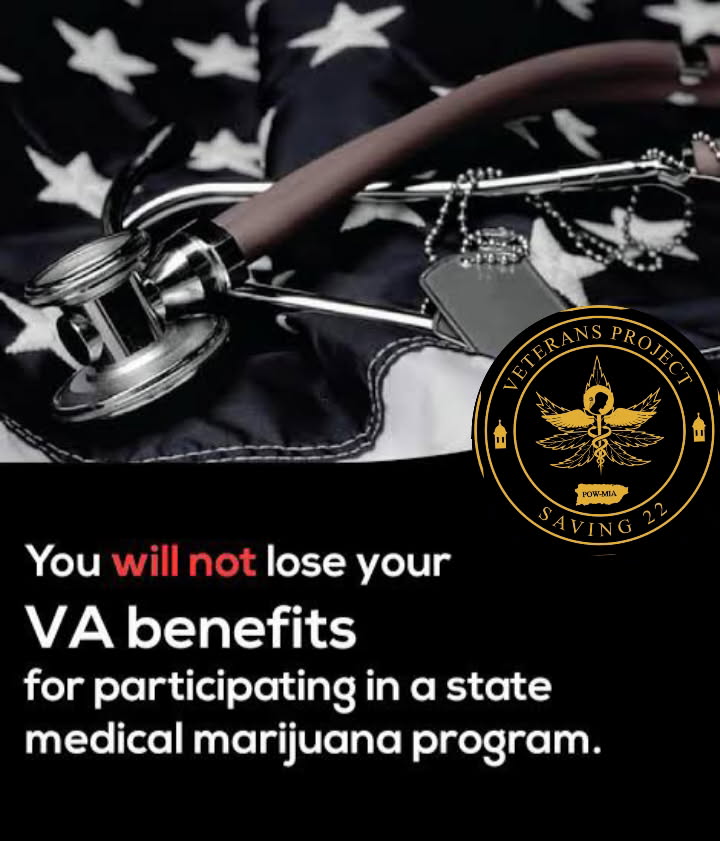
It is the question that stops more conversations than any other. The wording we carry on our outreach card is: “You will not lose your VA benefits for participating in a state medical marijuana program.”
That is the plain answer, and it matters — a veteran who believes that asking will cost him his rating will not ask. But federal rules, state programs, and your own rating and circumstances are three different things, and any of them can change.
Confirm anything about your own benefits with the VA directly — call 1-800-827-1000 — before you make a decision.
We are an education organization. We are not accredited claims agents, we cannot advise on your rating, and we do not speak for the VA.
If something here raised a question you have never asked out loud, write to us. We are not clinicians and we will not tell you what to do — but we can tell you where to take the question, and we can tell you that you are not the first person to bring it.
Veterans Project publishes general education. Nothing here is medical advice, a diagnosis, or a recommendation to start or stop any treatment, and nothing here replaces your own doctor, who knows your history and can examine you.